
Moving to Naperville IL: Your Comprehensive Guide for 2026
Moving to Naperville IL in 2026 places households in one of the Midwest’s most recognized suburbs, home to roughly 149,000 residents as of 2023, according to U.S. Census Bureau estimates. The city stretches across DuPage and Will counties, about 28 miles west of downtown Chicago. Historic streets near Downtown Naperville blend with newer developments off Route 59 and 95th Street, offering a broad mix of housing. Strong public schools, extensive parkland, and a substantial employment base draw both relocating families and professionals.
Why are households moving to Naperville IL in 2026?
Naperville consistently appears on national “best places to live” lists, largely due to its schools, safety metrics, and amenities. According to Niche, the city earns an overall A+ grade, with particularly strong ratings for public schools and family-friendliness. Crime rates sit well below Illinois and national averages, based on recent data from the City of Naperville. The Naperville Riverwalk, Centennial Beach, and the DuPage Children’s Museum along Washington Street create a compact, activity-rich core that appeals to a wide demographic.
The housing landscape is diverse. Established neighborhoods near North Central College and Naperville Central High School feature mature trees, sidewalks, and traditional two-story homes. Farther south, areas around 95th Street and Neuqua Valley High School include newer subdivisions, larger floorplans, and convenient access to retail at Naperville Crossings. According to Redfin data through early 2026, typical home sale prices often range roughly from $450,000 to $750,000, depending on size and location.
On a summer evening along the Naperville Riverwalk, the soft splash of the DuPage River against the stone banks mixes with the distant bell from Moser Tower. The aroma of wood-fired pizza drifts from Lou Malnati’s on South Main Street, blending with the sweetness of ice cream from Kilwins as pedestrians pass under the glowing streetlamps. Live music from a patio near Jackson Avenue adds a low, steady rhythm to the warm air, giving downtown an inviting, unhurried feel.
How do Naperville neighborhoods and schools compare for new residents?
Naperville spans two highly regarded public school districts, Naperville Community Unit School District 203 and Indian Prairie School District 204. According to GreatSchools, many elementary and middle schools in these districts hold ratings between 8/10 and 10/10. Naperville North High School, Naperville Central High School, Neuqua Valley High School, Metea Valley High School, and Waubonsie Valley High School provide multiple options for advanced coursework, arts, and athletics. This dense cluster of high-performing schools heavily influences neighborhood demand and pricing.
Neighborhood character varies noticeably across the city. The Historic District near East Jefferson Avenue and Ellsworth Street offers early 20th-century homes with deep front porches and tree-lined sidewalks, within walking distance of the 5th Avenue Metra Station. To the west, areas off 75th Street and Rickert Drive deliver more contemporary housing and quick access to Nike Sports Complex. South of 87th Street, subdivisions around Frontier Sports Complex and the 95th Street Library feature larger lots, newer construction, and convenient access to athletic fields and recreation centers.
School boundaries intersect with municipal lines in ways that matter for long-term planning. According to boundary maps published by Naperville 203 and Indian Prairie 204, certain subdivisions along Route 59 and Ogden Avenue straddle district edges, which can affect program access and busing. Families prioritizing specific magnet programs, language offerings, or extracurriculars often focus on micro-areas around Madison Junior High, Hill Middle School, Kennedy Junior High, or Still Middle School to align daily routines with academic goals.
What does the cost of living look like when moving to Naperville IL?
The overall cost of living in Naperville trends higher than national averages, largely due to housing. According to BestPlaces, Naperville’s cost-of-living index sits around 120 on a U.S. baseline of 100, with housing scoring near 140. Entry-level townhomes around Ogden Avenue, North Aurora Road, and Bailey Road can start in the $300,000 to $400,000 range, while larger single-family homes near Knoch Knolls Park or Cress Creek Country Club often exceed $800,000, depending on finishes and lot size.
Property taxes form a meaningful portion of monthly carrying costs. DuPage County’s effective property tax rate typically falls between 2.0% and 2.2%, based on recent data from the DuPage County Treasurer, while Will County’s rate is similar but can vary by township. Utility expenses in Naperville benefit from the city’s municipal electric utility, where average residential bills historically trend modestly below some Chicago-area comparables, according to the Naperville Electric Utility. These recurring costs can meaningfully adjust a household budget beyond the mortgage itself.
Along 95th Street near Naperville Crossings, the sound of shopping carts rolling over pavement mixes with the hiss of espresso machines inside the Starbucks at Route 59. The cool air of Mariano’s produces a brief, sharp contrast with the warmth of a July afternoon, carrying the scent of fresh bread and rotisserie chicken. Nearby patios at restaurants like Biaggi’s and Red Robin create a low, conversational hum as traffic flows steadily toward Neuqua Valley High School and the surrounding subdivisions.
How convenient are commuting and transportation options in Naperville?
Naperville offers two primary Metra stations on the BNSF Railway line: the Downtown Naperville station off 4th Avenue and the Route 59 station on the city’s western edge. According to the Metra BNSF schedule, rush-hour express trains typically reach Chicago Union Station in approximately 35 to 40 minutes. Large commuter parking lots at both stations, combined with Pace bus routes, support car-to-rail connections from neighborhoods along Washington Street, Naper Boulevard, and Book Road.
Highway access is another strength. Interstate 88 borders Naperville’s northern edge, providing direct access to employment centers in Lisle, Warrenville, and Oak Brook. Route 59, Naper Boulevard, and Plainfield-Naperville Road connect individual neighborhoods to I-88 within 10 to 20 minutes, depending on traffic and distance. According to Walk Score, Naperville earns a Transit Score around 25 and a Walk Score near 36 overall, though Downtown Naperville scores significantly higher for walkability than outlying subdivisions.
Cycling and local driving patterns also factor into daily logistics. The city maintains more than 70 miles of shared-use paths and bike routes, according to the Naperville Bikeways Plan. Commuters from South Naperville often favor 95th Street and Boughton Road connections toward I-355, while those in north and central neighborhoods use Chicago Avenue and Aurora Avenue to reach job hubs near CityGate Centre and Edward-Elmhurst Health. Average one-way commute times hover around 30 to 34 minutes, based on recent Census surveys.
What lifestyle, parks, and amenities support moving to Naperville IL?
The Naperville Park District manages more than 130 parks and facilities, including major destinations like Springbrook Prairie Forest Preserve, Knoch Knolls Nature Center, and the Nike Sports Complex. According to the Naperville Park District, residents enjoy access to over 2,400 acres of open space, multiple golf courses, and recreation centers such as Fort Hill Activity Center. Centennial Beach, a former quarry near Jackson Avenue, offers a unique mix of sand, grassy seating areas, and deep-water swimming that opens seasonally.
Downtown amenities extend beyond dining. North Central College anchors the cultural scene with theater productions, concerts, and athletic events along Chicago Avenue and Benton Avenue. The Naperville Public Library system, including Nichols Library downtown and the 95th Street Library, ranks among the top public library systems in the nation in recurring surveys. Retail corridors along Route 59, including access to Fox Valley Mall just over the Aurora border, provide large-format shopping, while boutiques along Jefferson Avenue, Main Street, and Jackson Avenue create a more intimate, walkable retail experience.
Healthcare and everyday services remain close at hand. Edward Hospital on Washington Street serves as a major regional medical center, surrounded by physician offices and specialty clinics. Fitness options range from YMCA facilities near South Washington Street to private studios around Hobson Road and Naper Boulevard. Restaurant choices stretch from family-friendly chains along 75th Street to independent favorites like Mesón Sabika on Aurora Avenue, which occupies a restored mansion and expansive patio, adding another layer of historic character to local dining.
The 149,000-resident figure cited at the start of this guide reflects a community large enough to sustain extensive amenities yet compact enough to preserve a defined sense of place. That same population benchmark underscores the depth of school, park, and transportation infrastructure supporting future growth. The Mainstreet Organization of REALTORS® market reports provide granular insight into inventory trends, price ranges, and absorption rates across Naperville subareas. Buyers who register listing alerts through favored portals and schedule in-person tours within 48 hours of promising listings before the spring 2026 surge typically secure stronger terms, while those delaying decisions until late summer often confront reduced selection and firmer seller expectations.
FROM OUR BLOG
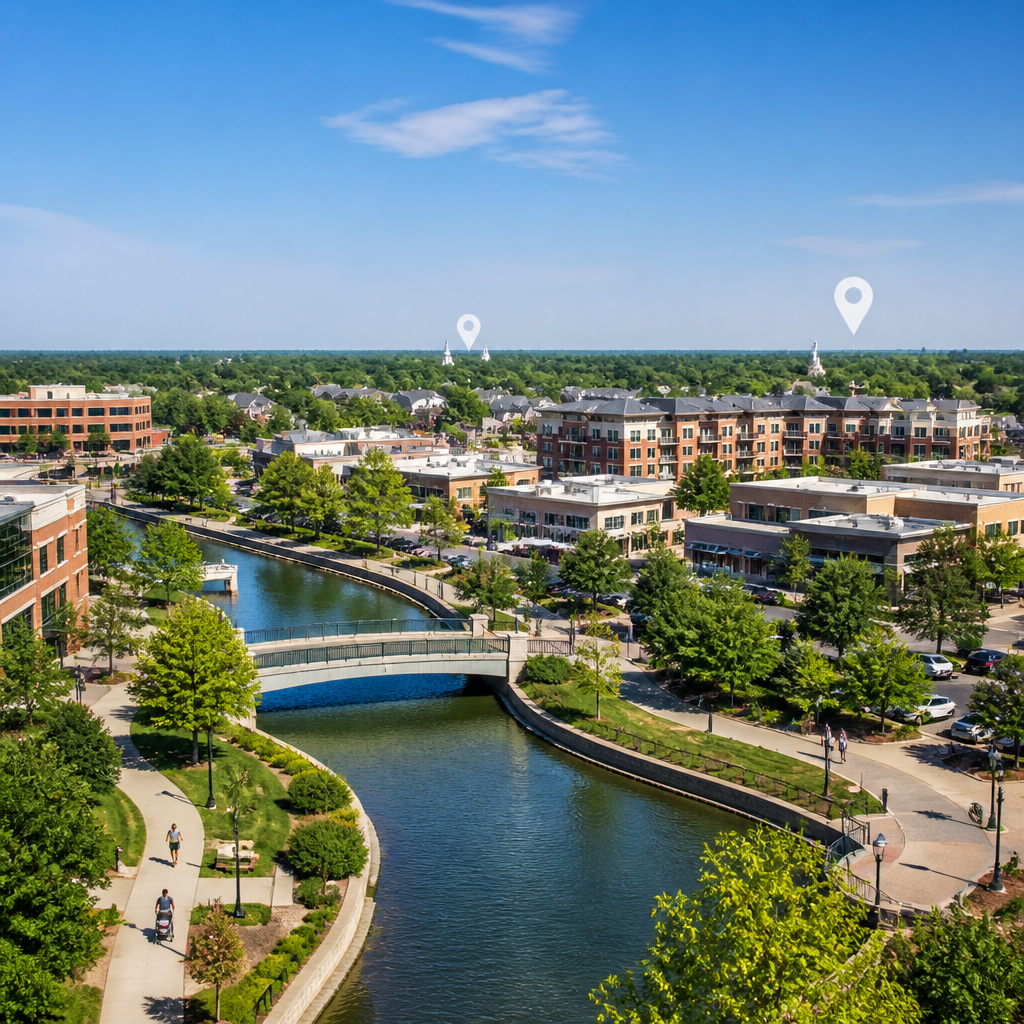

Exploring Aero Estates: Top Residential Properties to Consider in 2026
Exploring Aero Estates: Top Residential Properties to Consider in 2026 Aero Estates in Naperville, Illinois, blends residential privacy with rare runway access that appeals to aviation-focused households and traditional buyers alike. According to Redfin, Naperville homes typically range from the mid
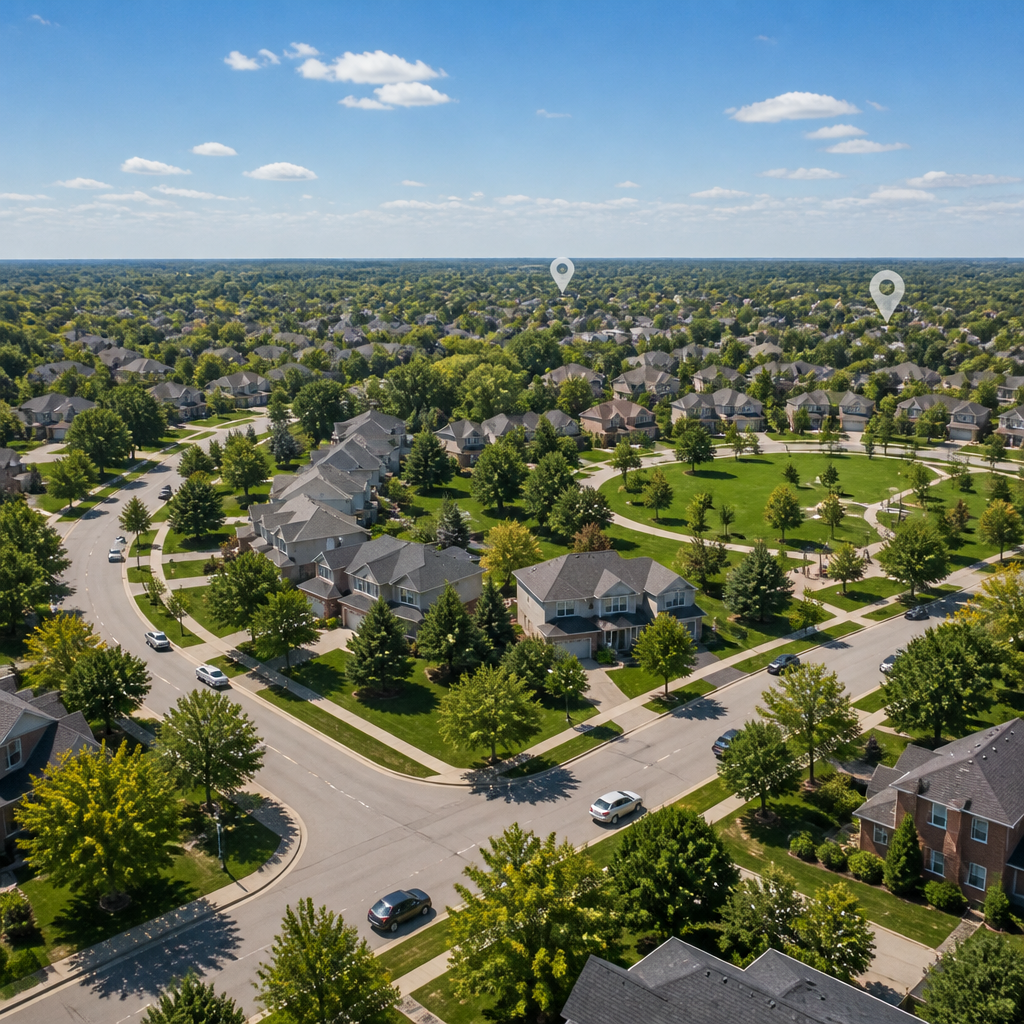
First Time Home Buyers in Acorn Hill Estates: Essential Tips for 2026
First Time Home Buyers in Acorn Hill Estates: Essential Tips for 2026 First time home buyers in Acorn Hill Estates enter a Naperville market shaped by limited inventory and steady demand. According to Redfin data for Naperville through early 2025, homes typically sell within 25 to 40 days, signaling